Edit Content

Contact Information.

Looking for innovative engineering solutions? Get in touch with Araniea — where technology meets precision to power your success.

Our Location

Office No-410, 4th Floor, Axis Proxima, Pune Mumbai Road, Kasarwadi, Pune-411034

Email Address

business@araniea.co.in
info@araniea.co.in

Telephone

+917768000144

Efficient Plumbing Systems for Reliable MEP Solutions

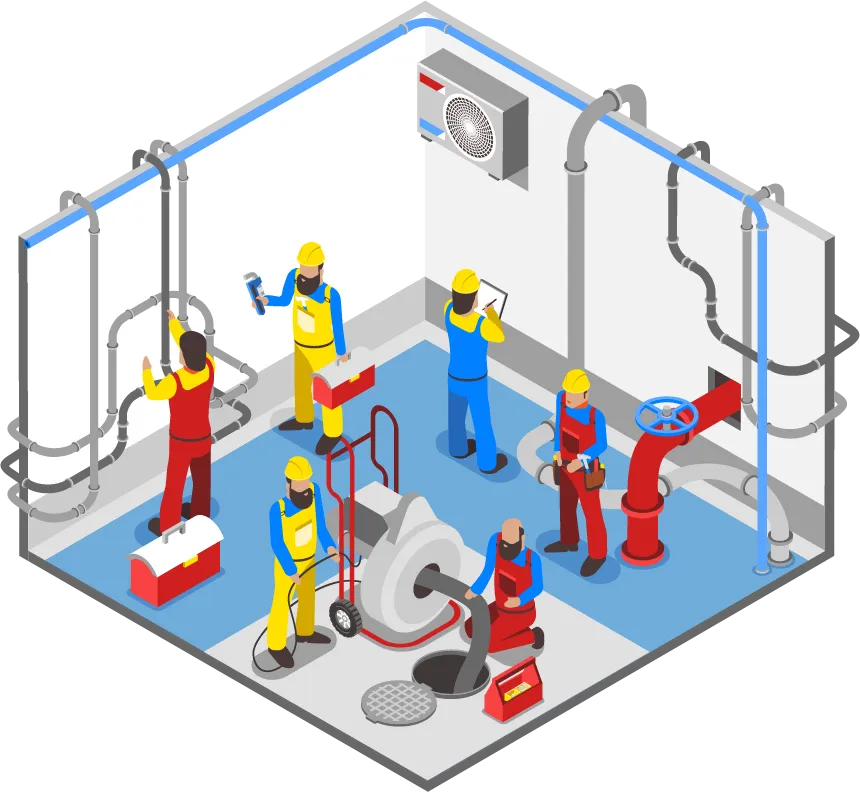
As a vital aspect of MEP engineering, plumbing systems play a crucial role in the effective distribution of water, gas, and waste within a building. This involves the design of water supply and drainage systems, fixtures, valves, pumps, sewage systems, and gas supply systems. We specialize in plumbing system design and ensure the creation of a reliable, efficient, and safe plumbing system that supports the building’s various functions while maintaining the health and safety of its occupants. Our piping designers have extensive knowledge of the latest technologies and building codes to ensure that the plumbing systems we design meet all safety standards and building regulations. Whether for residential or commercial buildings, our plumbing system designs are tailored to meet the unique needs and requirements of our clients.

Internal plumbing

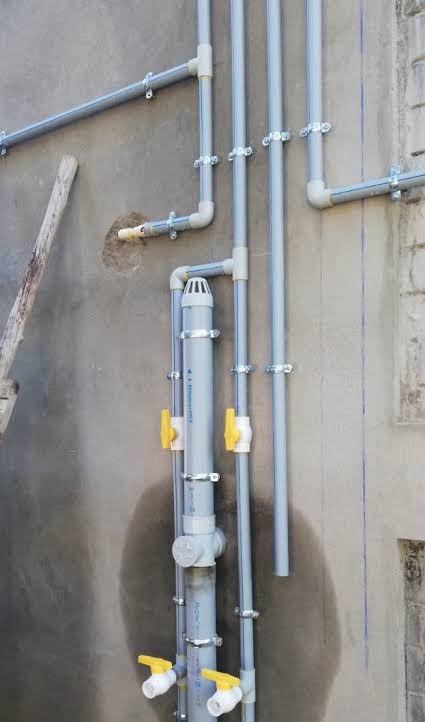
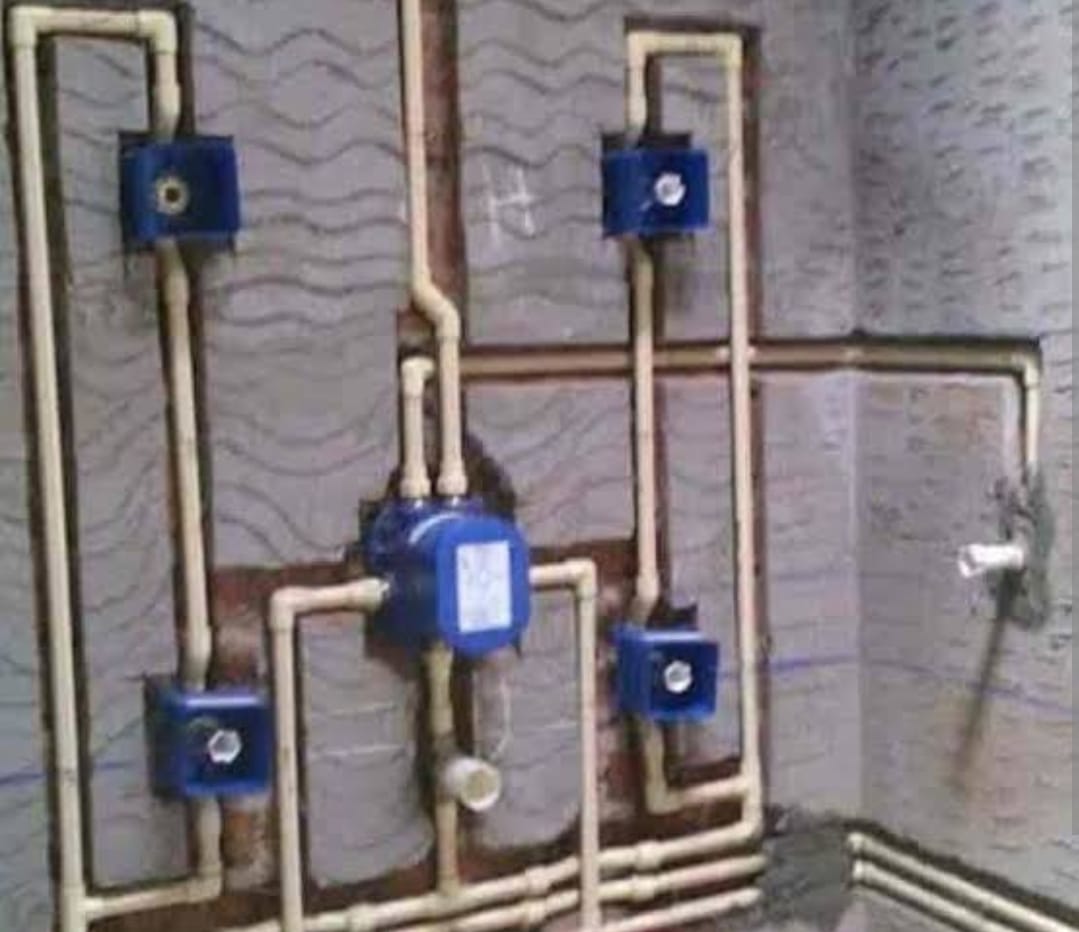
Internal plumbing refers to the network of pipes, fittings, and fixtures within a building that ensures the efficient supply of clean water and the safe disposal of wastewater. It includes cold and hot water distribution, drainage, venting, and sanitary systems, all designed to maintain hygiene and prevent leaks or blockages. High-quality materials like PVC, PPR, CPVC, and copper are used to ensure durability and corrosion resistance. Proper pressure regulation, insulation, and adherence to plumbing standards like IPC and local codes are essential for efficiency and safety. Regular maintenance, leak detection, and proper installation practices help extend the lifespan of internal plumbing systems while ensuring reliable water flow and sanitation.

external plumbing

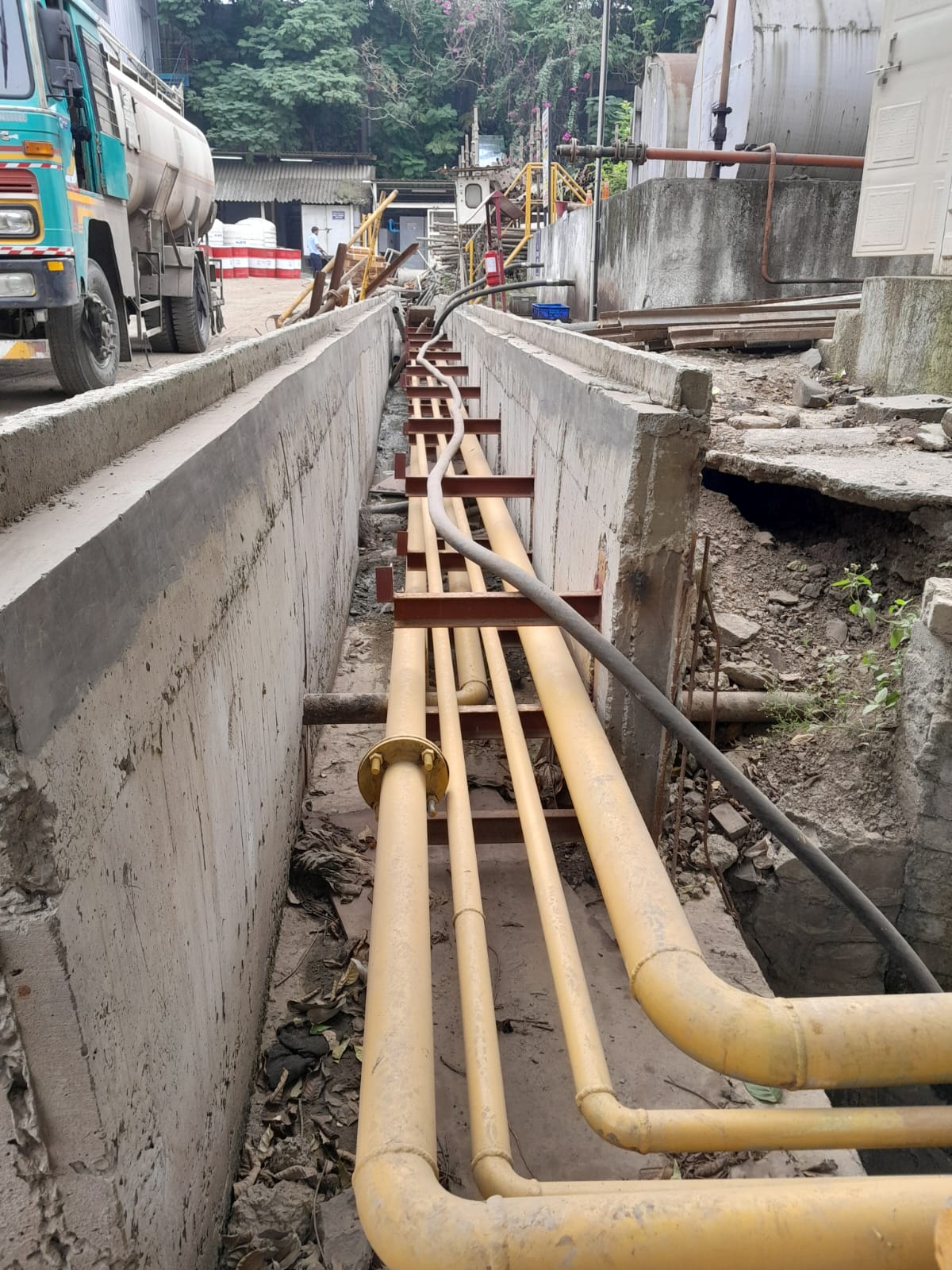
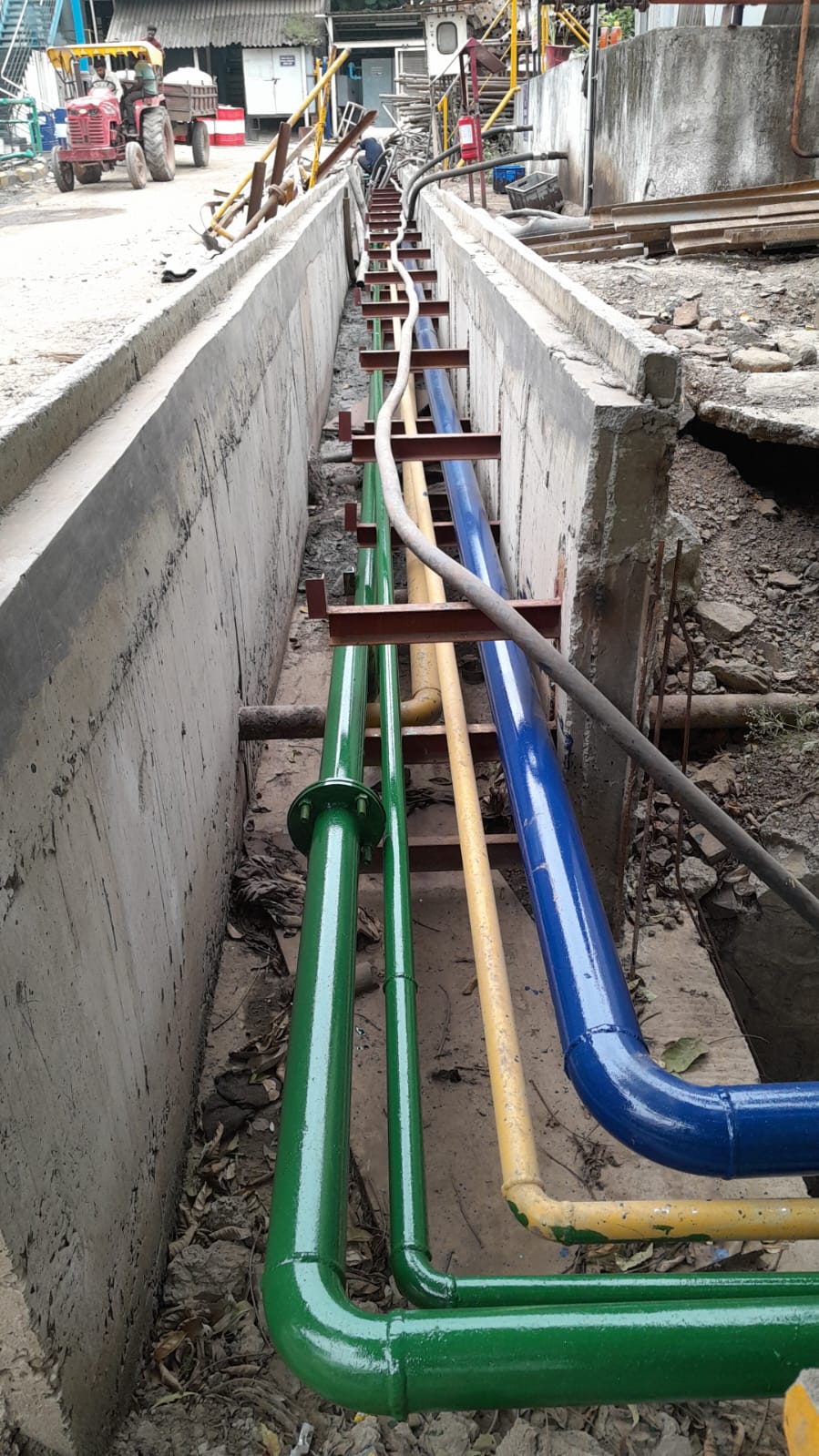
External plumbing work involves the installation and maintenance of water supply lines, drainage systems, sewage pipelines, and stormwater management systems outside a building. It ensures the proper distribution of potable water from the main supply and the efficient disposal of wastewater and rainwater. Key components include underground pipes, manholes, septic tanks, sump pumps, and water storage tanks made from durable materials like HDPE, PVC, and ductile iron to withstand environmental conditions. Proper slope alignment, backflow prevention, and adherence to plumbing codes such as IPC and local regulations are crucial for system efficiency. Regular inspections, leak detection, and preventive maintenance help ensure the longevity and reliability of external plumbing systems.

Sewage Treatment Plant (STP)

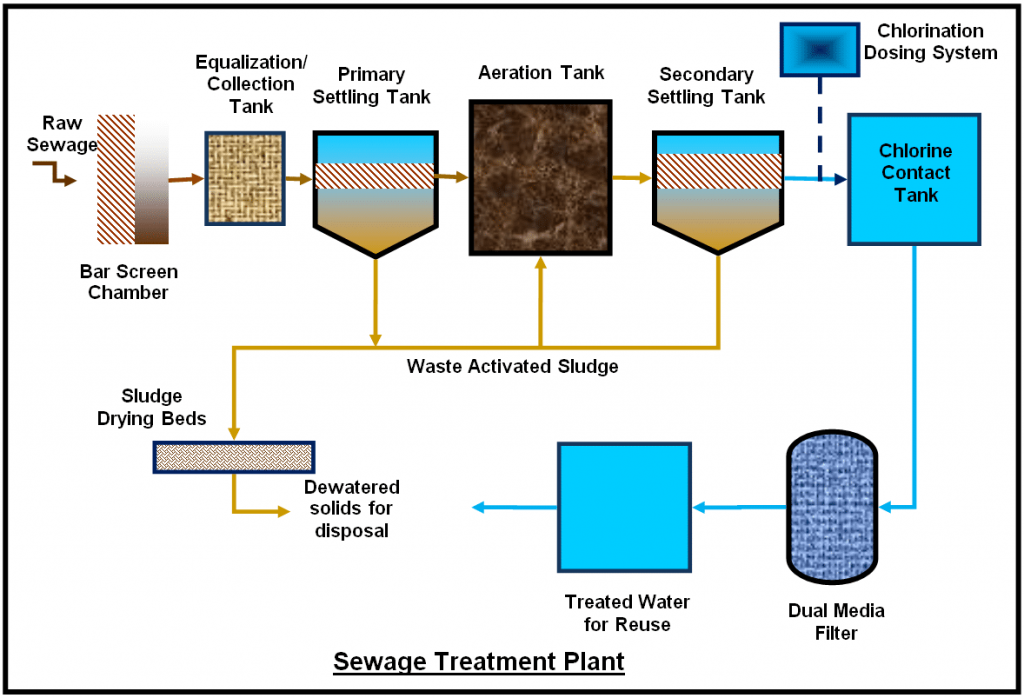
A Sewage Treatment Plant (STP) is designed to treat and purify wastewater, removing contaminants before safe discharge or reuse. It operates through primary, secondary, and tertiary treatment stages, involving sedimentation, biological filtration, and chemical disinfection. Key components include screening units, aeration tanks, clarifiers, and sludge management systems. STPs help residential, commercial, and industrial facilities comply with environmental regulations while promoting water recycling for irrigation, flushing, or industrial use. Advanced STP systems integrate automation and real-time monitoring for efficiency. Regular maintenance, proper sludge disposal, and adherence to pollution control norms ensure optimal performance and sustainability.

Water Treatment Plant (WTP)

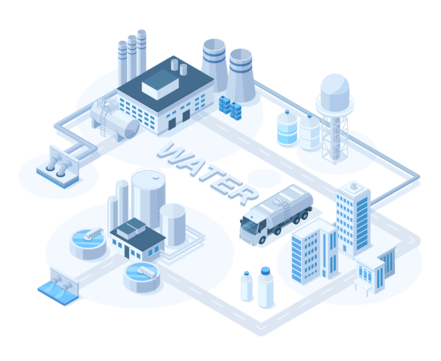
A Water Treatment Plant (WTP) is designed to purify raw water from sources like rivers, lakes, or groundwater, making it safe for drinking and industrial use. The treatment process includes coagulation, sedimentation, filtration, and disinfection to remove impurities, suspended solids, bacteria, and harmful chemicals. Key components of a WTP include intake structures, clarifiers, sand filters, activated carbon filters, and chemical dosing systems. Advanced WTPs use technologies like reverse osmosis (RO) and UV disinfection for enhanced purification. These plants ensure compliance with water quality standards, promoting public health and sustainability. Regular maintenance and monitoring are essential for efficient operation and safe water supply.

Gardening water distribution

Gardening water distribution systems ensure an efficient and consistent supply of water to landscapes, lawns, and agricultural areas. These systems include sprinklers, drip irrigation, soaker hoses, and automated irrigation controllers to optimize water usage and promote healthy plant growth. Properly designed distribution networks use PVC, HDPE, or polyethylene pipes to deliver water evenly while minimizing wastage. Smart irrigation systems with moisture sensors and timers enhance efficiency by adjusting water flow based on soil conditions. Regular maintenance, leak detection, and filtration help prevent clogging and ensure a sustainable and cost-effective water supply for gardening and landscaping needs.


Effluent Treatment Plant (ETP)

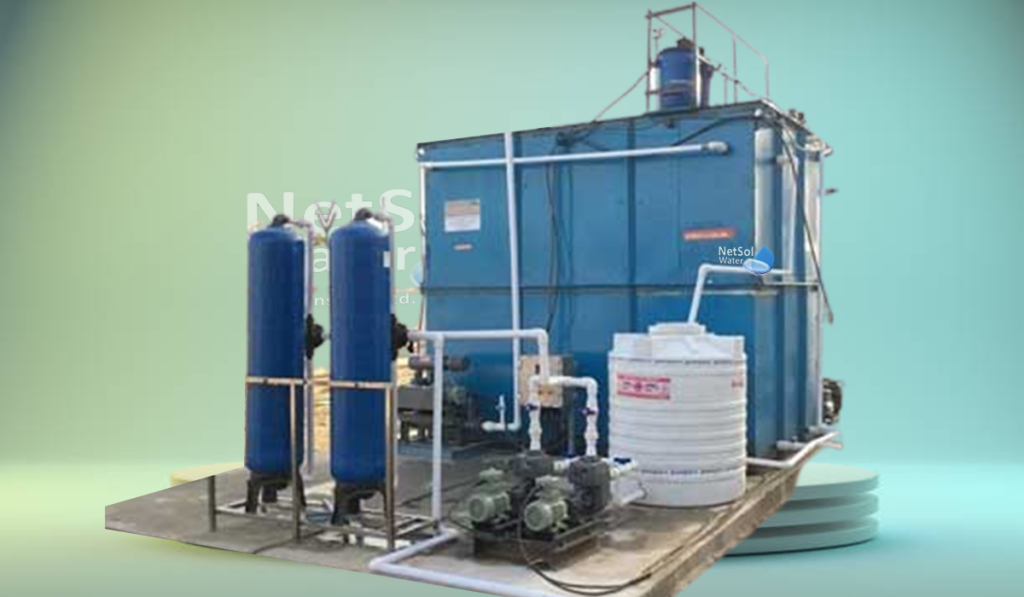
An Effluent Treatment Plant (ETP) is a crucial plumbing system designed to treat and purify industrial wastewater before its safe disposal or reuse. It involves multiple treatment stages, including physical, chemical, and biological processes to remove contaminants, heavy metals, and harmful chemicals. Key components include equalization tanks, clarifiers, aeration units, filtration systems, and sludge handling to ensure effective wastewater treatment. ETPs help industries comply with environmental regulations (CPCB, EPA) while promoting water recycling for non-potable applications like irrigation or cooling. Regular maintenance, proper pipeline design, and automation enhance the efficiency and longevity of the system, ensuring sustainable wastewater management.

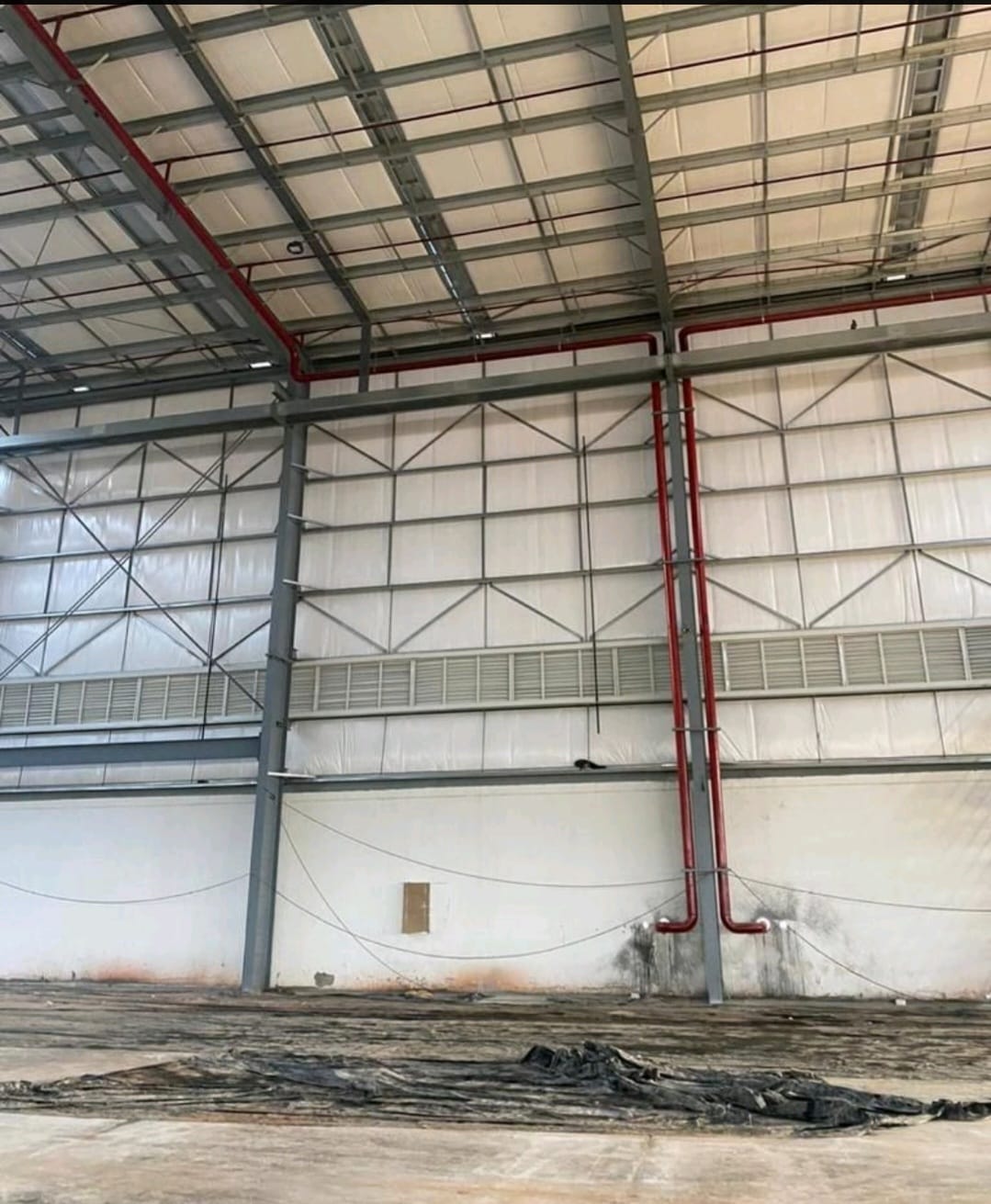
Featured plumbing Structure Projects