Looking for innovative engineering solutions? Get in touch with Araniea — where technology meets precision to power your success.
Office No-410, 4th Floor, Axis Proxima, Pune Mumbai Road, Kasarwadi, Pune-411034
business@araniea.co.in
info@araniea.co.in
+917768000144
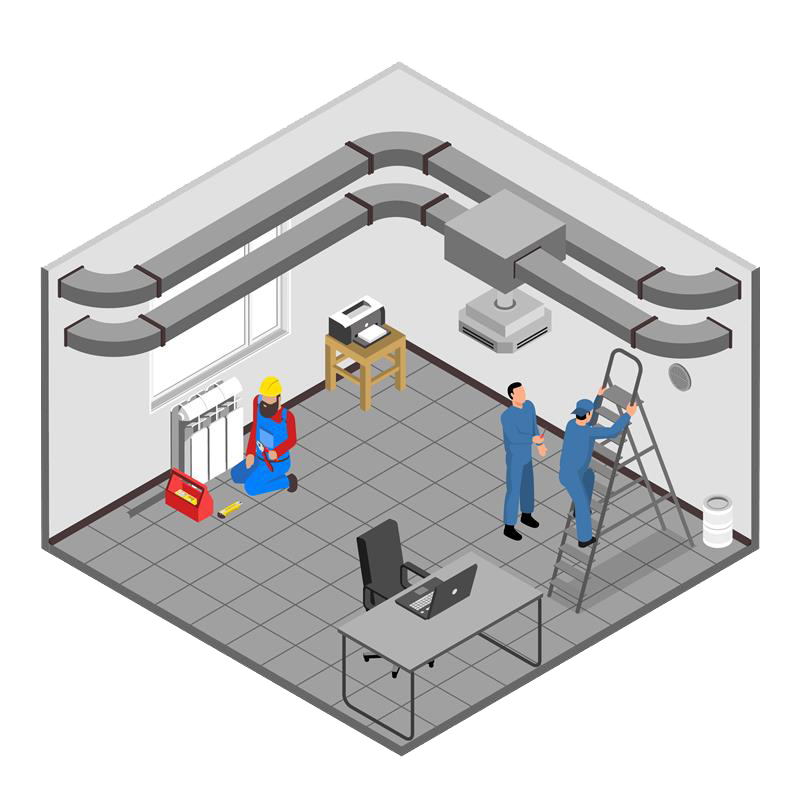
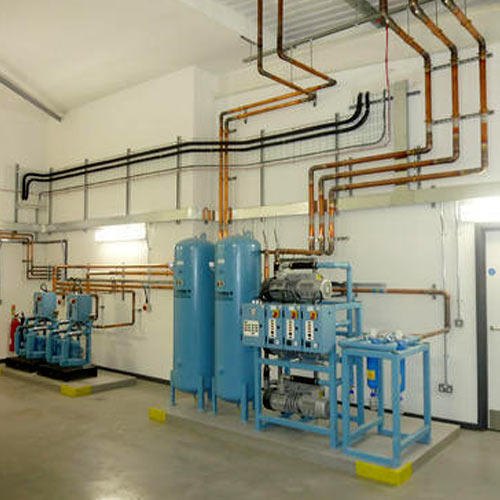
Mechanical systems play a crucial role in MEP (Mechanical, Electrical, and Plumbing) engineering, ensuring efficient building operations. These systems encompass heating, ventilation, air conditioning (HVAC), fire protection, and other essential mechanical components. A well-designed mechanical system enhances energy efficiency, indoor air quality, and occupant comfort. Proper ventilation ensures fresh air circulation, while heating and cooling systems maintain optimal temperature levels. Advanced HVAC solutions incorporate energy-efficient technologies such as variable refrigerant flow (VRF) and smart automation.
Fire protection systems, including sprinklers and smoke control, safeguard buildings and occupants. Pumps, fans, and ducts ensure seamless airflow distribution throughout the building. Mechanical engineers integrate sustainability principles to minimize energy consumption and environmental impact. Computational fluid dynamics (CFD) analysis optimizes airflow design for improved efficiency. High-performance insulation materials reduce heat loss and improve thermal efficiency.
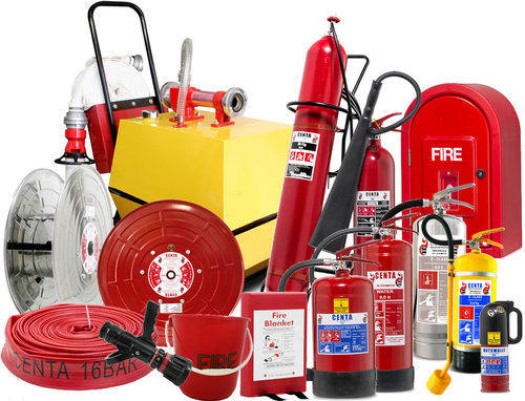
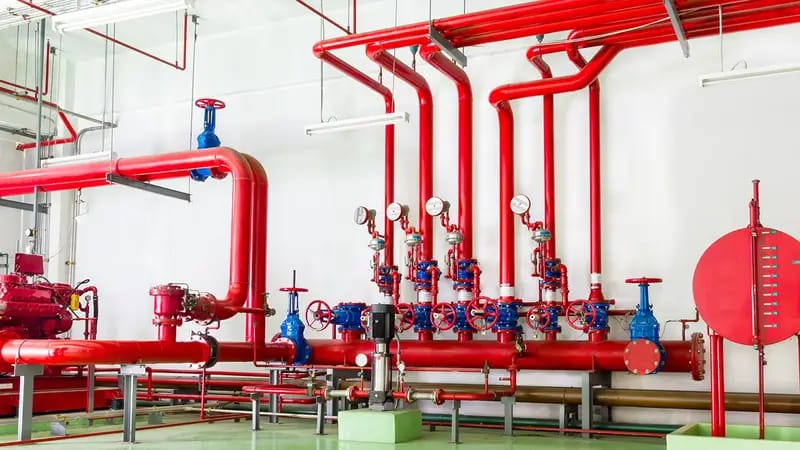
Firefighting systems are a critical component of mechanical infrastructure in MEP systems, ensuring the safety of buildings and occupants. These systems include fire suppression, detection, and prevention mechanisms such as sprinklers, fire hydrants, extinguishers, and smoke control systems. Automatic sprinkler systems activate in response to heat, effectively controlling fire spread. Fire pumps and standpipes provide adequate water pressure for firefighting operations, ensuring rapid response during emergencies. Smoke extraction and ventilation systems help maintain visibility and prevent toxic gas accumulation, improving evacuation safety.
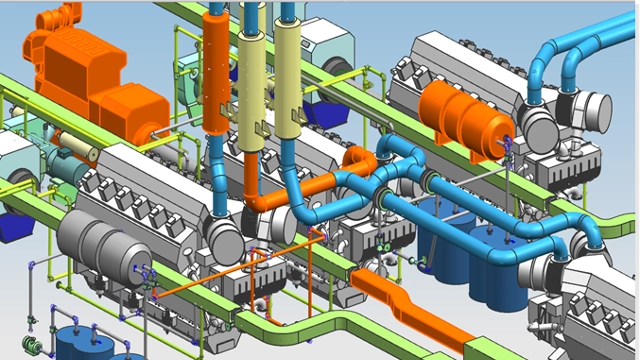
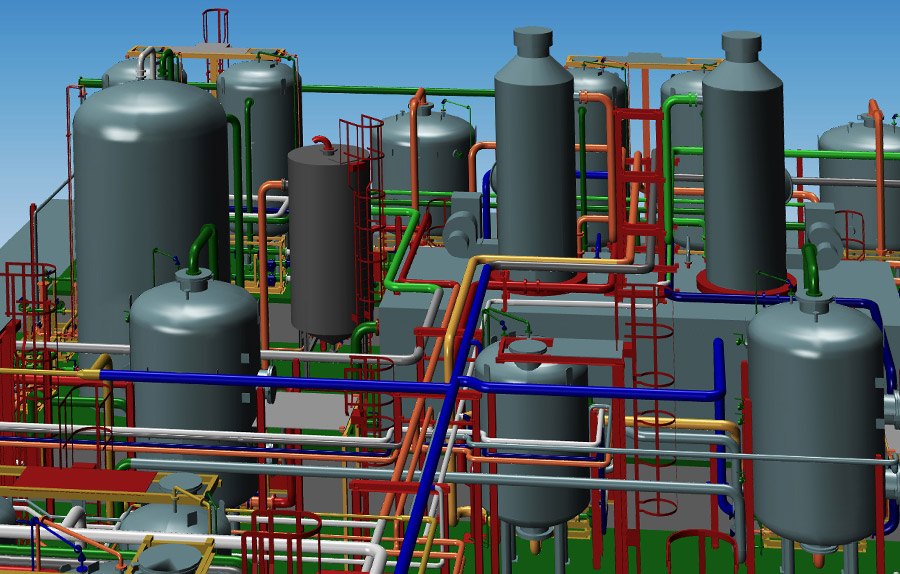
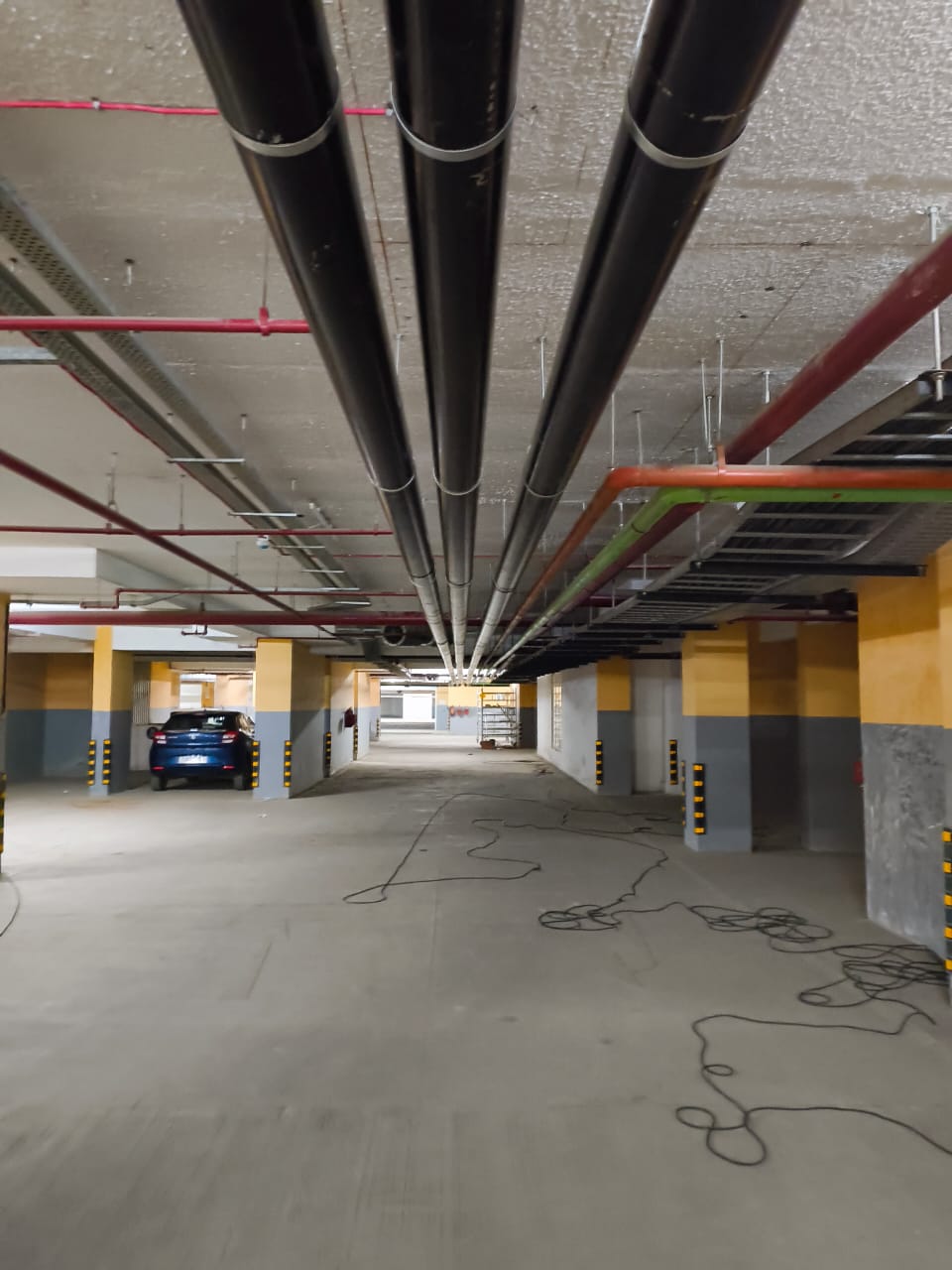
Process pipelines are essential in industrial and mechanical systems, facilitating the safe and efficient transport of liquids, gases, and other materials. Designed to withstand high pressure and temperature variations, these pipelines are constructed using durable materials such as carbon steel, stainless steel, and PVC, depending on the application. Process pipelines are widely used in industries like oil and gas, chemical processing, pharmaceuticals, and food production. Proper insulation, corrosion protection, and regular maintenance ensure longevity and prevent leaks or contamination. Advanced control systems, including pressure sensors and automated valves, regulate flow rates and enhance operational efficiency while ensuring compliance with safety and environmental standards.
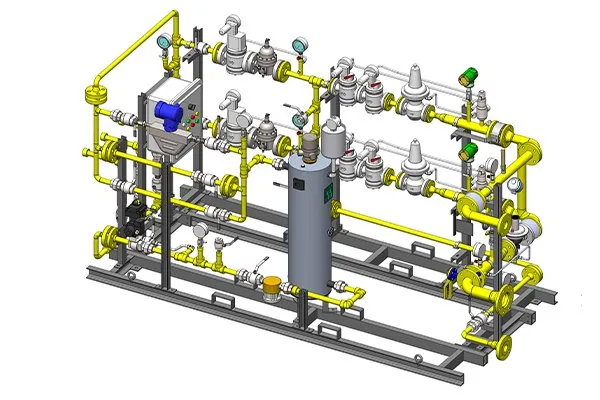
LPG (Liquefied Petroleum Gas) pipelines are designed for the safe and efficient transportation of LPG in residential, commercial, and industrial applications. These pipelines are constructed using high-quality materials such as carbon steel, copper, or specialized polyethylene to withstand pressure variations and prevent leaks. Safety is a top priority in LPG pipeline systems, incorporating components like pressure regulators, leak detectors, and emergency shut-off valves to ensure controlled gas flow and minimize risks. Proper ventilation, corrosion protection, and adherence to safety standards like NFPA 58 and PESO regulations are essential for safe operation. Regular inspections, pressure testing, and maintenance further enhance the reliability and longevity of LPG pipeline networks.
ONG (Oil and Natural Gas) pipelines are critical infrastructure for the transportation of crude oil, refined petroleum products, and natural gas over long distances. These pipelines are constructed using high-strength materials like carbon steel and are designed to withstand high pressure, temperature variations, and environmental conditions. Safety measures such as leak detection systems, automated shut-off valves, and cathodic protection prevent corrosion and ensure operational integrity. Compliance with industry standards like API 5L, ASME B31.4 (for liquid pipelines), and ASME B31.8 (for gas pipelines) is essential for maintaining safety and efficiency. Regular inspections, pressure testing, and maintenance programs help prevent leaks, reduce downtime, and ensure the reliable transportation of oil and gas resources.
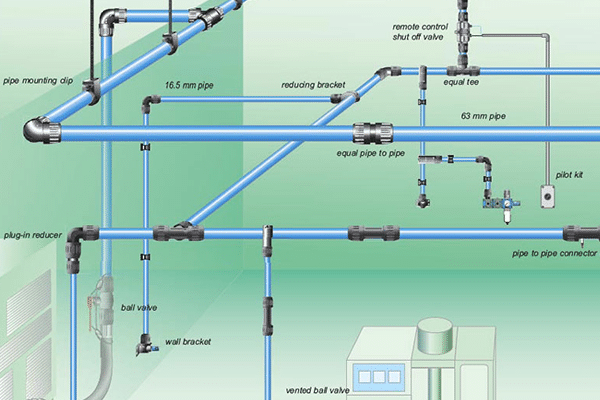
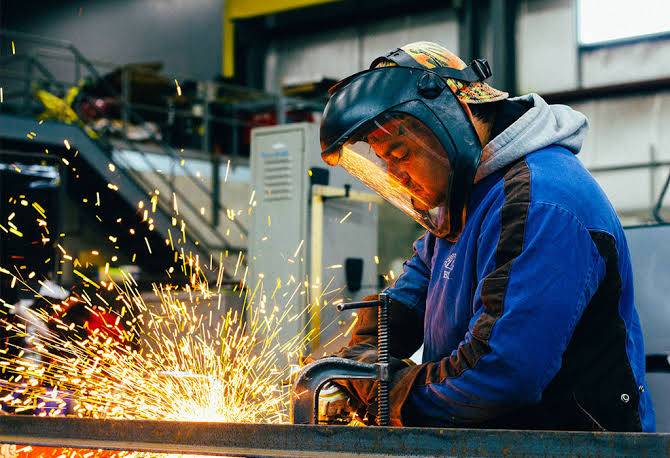
Fabrication work involves the cutting, bending, welding, and assembling of metal components to create structures used in various industries such as construction, automotive, aerospace, and manufacturing. Using materials like stainless steel, carbon steel, and aluminum, fabrication ensures strength, durability, and precision. Advanced techniques such as CNC machining, laser cutting, and robotic welding enhance efficiency and accuracy. Quality control measures, including non-destructive testing (NDT) and dimensional inspections, ensure compliance with industry standards like ASME and ISO. Modern fabrication integrates automation and 3D modeling for improved cost-effectiveness, making it essential for customized industrial solutions and large-scale infrastructure projects.
Get Our Latest Update & New Offers Sales Discount