Edit Content

Contact Information.

Looking for innovative engineering solutions? Get in touch with Araniea — where technology meets precision to power your success.

Our Location

Office No-410, 4th Floor, Axis Proxima, Pune Mumbai Road, Kasarwadi, Pune-411034

Email Address

business@araniea.co.in
info@araniea.co.in

Telephone

+917768000144

HVAC Systems – Efficient Climate Control for Comfort and Performance

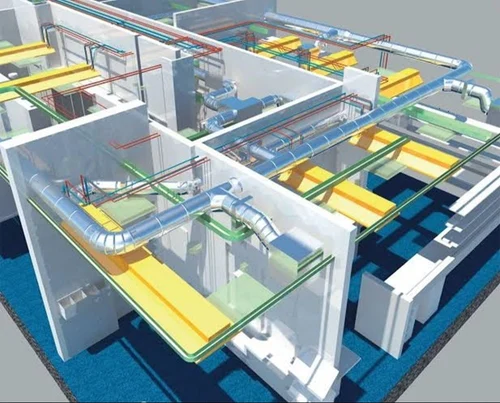
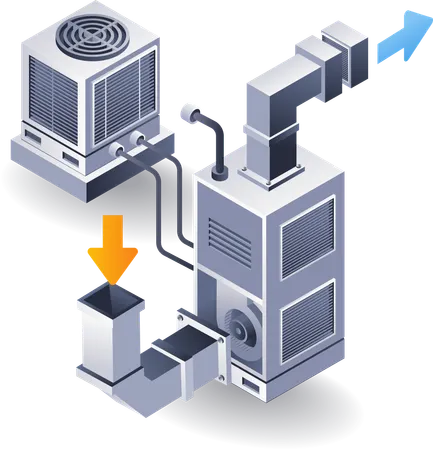
HVAC (Heating, Ventilation, and Air Conditioning) systems are essential for maintaining indoor air quality, temperature control, and energy efficiency in residential, commercial, and industrial buildings. These systems include components such as air handling units (AHUs), chillers, boilers, heat exchangers, and ductwork to regulate heating, cooling, and ventilation. Properly designed HVAC systems enhance comfort, reduce energy consumption, and improve air circulation by removing pollutants and maintaining humidity levels. Advanced technologies like variable refrigerant flow (VRF), smart thermostats, and energy recovery ventilation (ERV) optimize performance and sustainability. Regular maintenance, filter cleaning, and adherence to standards like ASHRAE and ISO ensure long-term efficiency, safety, and reliability of HVAC operations.

High Side Work

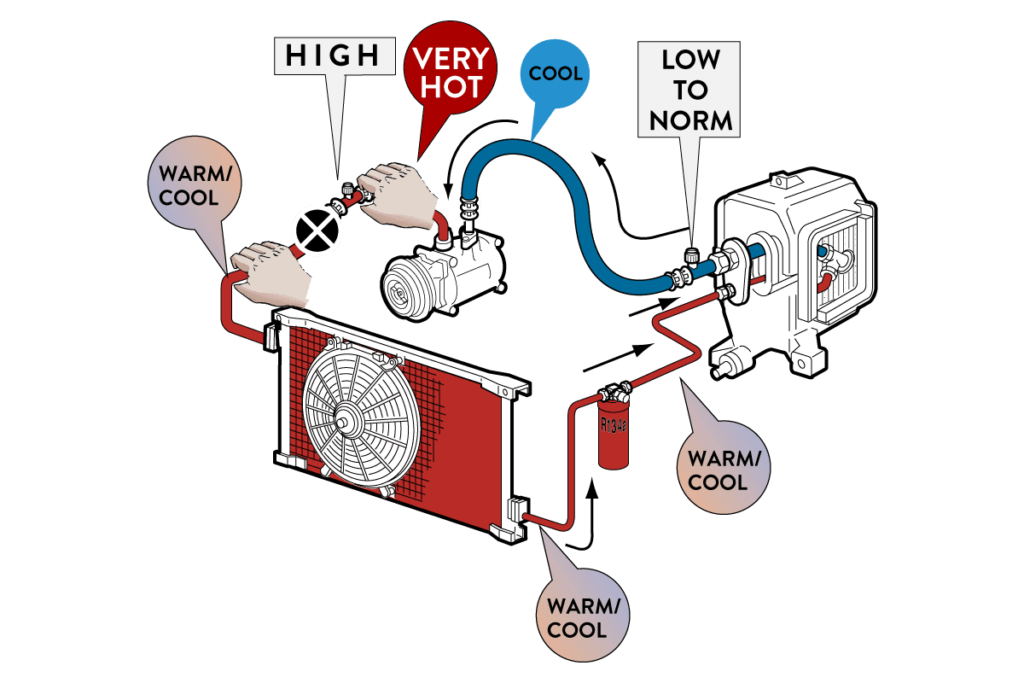
High side work in HVAC refers to the installation and management of large-scale cooling and heating equipment, including chillers, cooling towers, boilers, pumps, and heat exchangers. This system is responsible for generating and distributing conditioned air or chilled water to maintain indoor climate control in commercial, industrial, and large residential buildings. High side components operate under high pressure and temperature conditions, requiring robust insulation, proper piping, and safety mechanisms to ensure efficiency and reliability. Advanced technologies such as variable frequency drives (VFDs) and energy-efficient chillers enhance performance while reducing operational costs. Regular maintenance, refrigerant management, and compliance with standards like ASHRAE and LEED ensure long-term sustainability and energy conservation.

Low Side Work

Low side work in HVAC involves the distribution of conditioned air within a building through air handling units (AHUs), ductwork, fan coil units (FCUs), diffusers, grilles, and insulation. This system ensures proper air circulation, temperature regulation, and humidity control to maintain indoor comfort in residential, commercial, and industrial spaces. Low side components, such as dampers and air filters, help regulate airflow while improving indoor air quality by removing dust and pollutants. Proper duct design, insulation, and balancing are essential for energy efficiency and noise reduction. Regular maintenance, filter cleaning, and adherence to ASHRAE and ISO standards ensure optimal performance, durability, and comfort in HVAC operations.

Cooling Tower

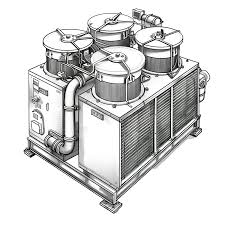
A cooling tower is a critical component in HVAC systems, designed to remove excess heat from buildings, industrial processes, and large-scale cooling systems. It operates by transferring heat from the chilled water or condenser system to the atmosphere through evaporative cooling, forced draft, or natural draft mechanisms. Cooling towers are commonly used in commercial buildings, power plants, and manufacturing facilities to maintain optimal HVAC efficiency. Key components include fill media, drift eliminators, fans, water distribution systems, and basin tanks. Proper maintenance, water treatment, and scaling prevention ensure energy efficiency, longevity, and compliance with ASHRAE and environmental standards for sustainable cooling operations.

Exhaust System (EXOS)

An Exhaust System (EXOS) in HVAC is designed to remove contaminated air, smoke, heat, fumes, and odors from enclosed spaces, ensuring a healthy and safe indoor environment. It is widely used in commercial buildings, industrial plants, kitchens, laboratories, and parking garages to maintain proper ventilation and air quality. Key components include exhaust fans, ducts, dampers, filters, and air scrubbers, which help expel pollutants while preventing backdrafts. Advanced exhaust systems integrate variable speed drives (VSDs) and air quality sensors for energy-efficient operation. Regular maintenance, proper duct design, and compliance with ASHRAE, NFPA, and OSHA standards ensure optimal performance and safety in ventilation systems.

Featured HVAC Projects